
Why Education Trauma Needs to be Addressed BEFORE Addressing Learning Difficulties

Everyone talks about learning disabilities & the best intervention but no one is talking about how the first thing you need to address is Education Trauma So let’s talk about how education trauma relates to back to school, school refusal and success with overcoming learning disabilities whether you homeschool or have your child in school. […]
Why Primitive Reflex Integration Is Not Enough to Turn Learning Challenges Around

Primitive reflex integration has gone mainstream – and I am genuinely glad. For years, those of us working in functional neurology and integrative educational therapy have understood that retained primitive reflexes are a foundational piece of the learning puzzle. Watching this knowledge reach more parents is a good thing. But with mainstream attention comes oversimplification […]
Learning Trauma: What Happens When Cognitive Deficits are Left Untreated

Last week, I started working with a new client who was 13-year-old. Every time we started working on a new cognitive task, you could see the anxiety mounting and if he didn’t get the answer quick enough, he would say to me apologetically, “Sorry, I’m dumb.” This is a common theme with my clients who […]
How Poor Working Memory Causes Learning Breakdown: Why Reading Practice, Strategies & Tutoring Are Not Enough
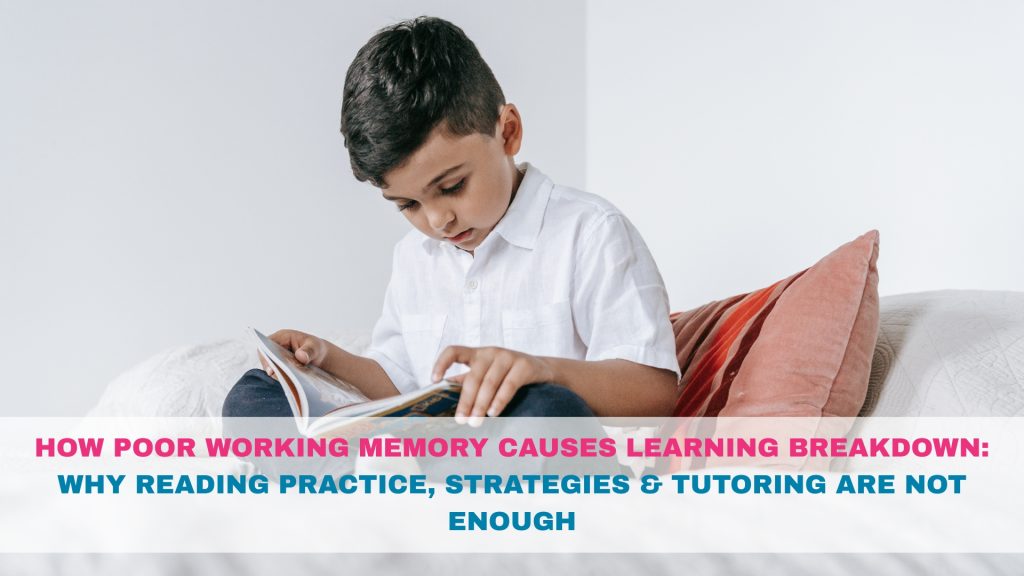
When working memory is weak, children may decode accurately but forget what they just read, lose steps in math, or struggle to organize their thoughts in writing. Until the brain’s temporary workspace is strengthened, more practice and tutoring often miss the real bottleneck behind learning struggles.
The Psychologist Who Shaped How We View Learning Difficulties – and Got It Wrong

If you’ve been told to “just wait,” lower expectations, or rely solely on accommodations, this article explains where that advice came from—and why it may be holding your child back. Learn how one dominant psychological theory shaped modern education and how a different lens on brain development can change what’s possible.
What Toxins, Food Sensitivities, and Gut Health Have to Do With Learning Difficulties – And why this is so often overlooked

Many children show early warning signs of learning challenges long before academics become the issue. From coordination and digestion to emotional regulation and inconsistent performance, these signs often point to neurological and biological factors—not lack of effort. Learn the eight key indicators that a child’s learning struggles may be rooted in brain development, not academics.
8 Signs Your Child’s Learning Struggles Are More Than “Academic” (And May Be Linked to Weak Brain Connections and Biological Stress)

Many children show early warning signs of learning challenges long before academics become the issue. From coordination and digestion to emotional regulation and inconsistent performance, these signs often point to neurological and biological factors—not lack of effort. Learn the eight key indicators that a child’s learning struggles may be rooted in brain development, not academics.
Your Child Doesn’t Learn “Different”: Why the Learning Styles Myth Is Burning Parents Out and Keeping Kids Stuck

Your child doesn’t learn “differently”, and believing they do may be the very thing keeping them stuck. The learning styles narrative sounds compassionate, but neuroscience tells a different story. In this post, we break down why teaching to “visual” or “hands-on” learners doesn’t resolve learning struggles, what’s actually happening in the brain, and how a brain-based approach can restore efficiency, confidence, and real progress.
Why Optimizing Processing Speed is Key for Better Learning

Many bright, imaginative kids still struggle with reading because of an often-overlooked issue: slow processing speed. Learn how it affects reading, why it’s missed in typical assessments, and what steps you can take to address it at the root level—not just compensate.
The Advanced Brain Screening: The Most Comprehensive Screening for Learning & Behaviour Issues

Most moms can tell you the moment when they knew. And if they pursue an official diagnosis, they’re rarely surprised at the results. The grieving process and worry begin long before it’s official. Whether it’s when you realise your 5-year-old is reading better than your 8-year-old … all the other kids can sit still and […]